

The transportation industry is undergoing a significant transformation, driven by the urgent need to reduce emissions and improve air quality. Diesel engines, traditionally viewed as major contributors to pollution, are now becoming cleaner and more efficient — largely thanks to innovations like DEF fuel.
Table of Contents
Diesel Exhaust Fluid (DEF) is at the heart of this revolution, playing a crucial role in reducing harmful emissions and helping fleets comply with stringent environmental regulations. For fleet managers, logistics operators, and environmental officers, understanding diesel exhaust fluid and working with a reliable DEF supplier is essential for the future of clean diesel transportation.
What is DEF Fuel?
DEF fuel is a non-toxic, colorless solution composed primarily of urea and deionized water. It is used in Selective Catalytic Reduction (SCR) systems fitted in modern diesel engines. The SCR system injects DEF into the exhaust stream, where it chemically reacts with harmful nitrogen oxides (NOx) — major pollutants responsible for smog and acid rain — converting them into harmless nitrogen and water vapor.
Environmental Benefits of DEF Fuel
1. Significant Reduction of NOx Emissions
NOx gases are one of the most damaging pollutants emitted by diesel engines, contributing to respiratory problems and environmental degradation. DEF enables diesel engines to meet EPA and Euro 6 emissions standards by cutting NOx emissions by up to 90%. This makes a substantial difference in air quality, especially in urban and industrial areas.
2. Compliance with Emission Regulations
Governments worldwide have tightened emissions standards for diesel vehicles, forcing fleet operators to adopt cleaner technologies. DEF usage is mandatory in many regions for new diesel engines, enabling compliance with:
- EPA Tier 4 standards (U.S.)
- Euro 6 regulations (Europe)
- Various other global emissions limits
Using diesel exhaust fluid ensures vehicles remain within legal environmental limits, avoiding costly fines or restrictions.
3. Improved Fuel Efficiency
While some may worry that emission controls add operational costs, SCR systems using DEF can actually improve fuel economy. By optimizing combustion and exhaust treatment, engines run more efficiently, saving fuel and reducing overall emissions.
4. Lower Carbon Footprint
Though DEF itself does not reduce carbon dioxide emissions directly, cleaner NOx control contributes to a healthier atmosphere. Combined with other fuel efficiency improvements, DEF-equipped diesel vehicles help reduce the overall carbon footprint of the transportation sector.
The Role of DEF Suppliers in the Clean Diesel Ecosystem
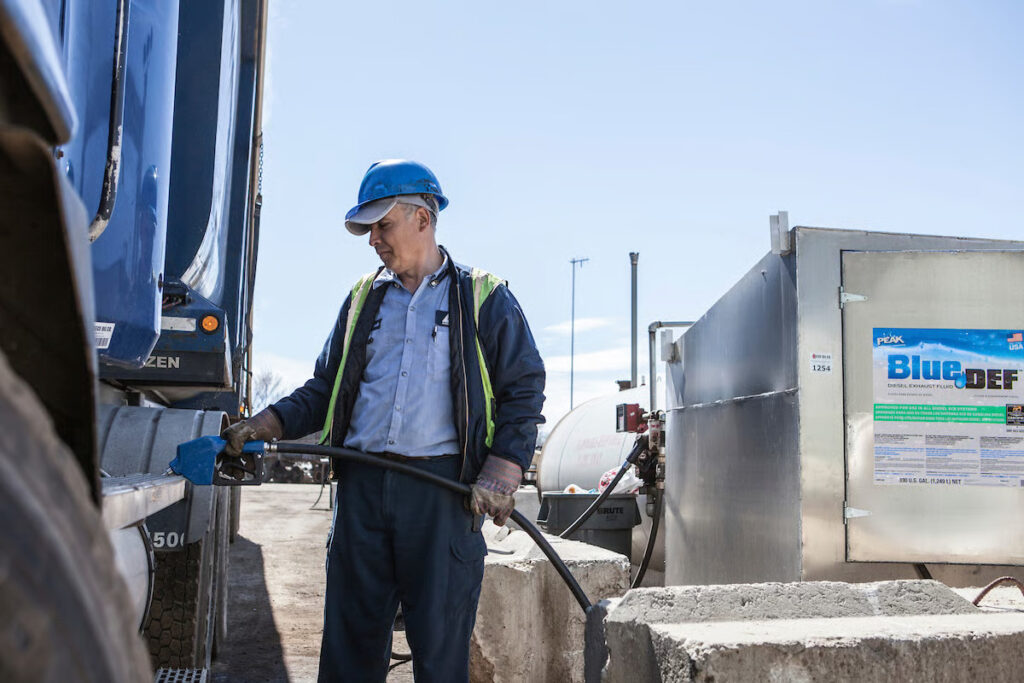
A dependable DEF supplier is critical for the success of fleets committed to clean diesel technologies. Here’s why:
1. Ensuring High Quality and Purity
DEF must meet strict ISO 22241 standards to work effectively. Contaminated or substandard DEF can clog SCR systems, damage catalytic converters, or cause engine issues. Reliable suppliers guarantee product purity, proper storage, and safe transportation to prevent degradation.
2. Consistent Availability
Fleet operators require uninterrupted DEF supply to avoid downtime or emissions compliance risks. Reputable diesel exhaust fluid suppliers offer bulk delivery, on-site storage solutions, and logistics support to keep fleets moving smoothly.
3. Technical Support and Training
Some DEF suppliers go beyond just product delivery by providing training and consultation on DEF handling, storage, and best practices — helping operators maximize benefits and minimize operational issues.
Challenges and Considerations
While DEF technology offers tremendous benefits, users must be mindful of certain operational considerations:
- Freezing Point: DEF freezes at 12°F (-11°C). Vehicles and storage tanks require heaters or insulation to keep DEF fluid in cold climates.
- Shelf Life: DEF has a limited shelf life (typically 6-12 months). Proper storage away from heat and sunlight is necessary.
- Handling: DEF is non-toxic but corrosive to some metals. Proper containers and equipment are essential.
Looking Ahead: DEF and the Future of Diesel Transportation
With ongoing advancements in engine technology and emission controls, DEF will remain a cornerstone of clean diesel solutions. Innovations in DEF formulation, improved SCR system efficiency, and growing environmental awareness will further accelerate its adoption.
Moreover, as governments continue to push for greener transportation, the integration of DEF with other alternative fuels and electrification efforts promises a more sustainable future.

Frequently Asked Questions (FAQs)
What exactly is DEF fuel made of?
DEF is a mixture of 32.5% high-purity urea and 67.5% deionized water, formulated to meet ISO 22241 standards.
Can DEF fuel damage my vehicle if used incorrectly?
Improper handling or use of contaminated DEF can harm the SCR system. Always source DEF from a trusted DEF service supplier and follow manufacturer guidelines.
How often do I need to refill DEF in my diesel vehicle?
DEF consumption typically runs at about 2-3% of diesel fuel consumption, but exact usage depends on engine size and duty cycle.
Is DEF fuel flammable or hazardous?
No. DEF is non-toxic, non-flammable, and safe to handle with proper precautions.
What happens if my vehicle runs out of DEF?
Most modern diesel engines will reduce power or enter limp mode to prevent emissions violations if DEF runs out. It’s important to maintain supply to avoid operational disruptions.
Conclusion
As the transportation sector moves towards sustainability, DEF fuel plays a vital role in powering the future of clean diesel vehicles. By significantly reducing NOx emissions and enabling compliance with stringent regulations, DEF ensures diesel engines remain viable and environmentally responsible.
Partnering with a knowledgeable and dependable DEF supplier is essential to ensure consistent quality and availability, enabling fleets to operate efficiently and sustainably.
Clean diesel transportation powered by DEF is no longer just an option—it’s a necessity for a greener, healthier future.