

Losing a tooth rarely stops at the gap you see in the mirror. Within months of a missing tooth, the jawbone beneath it begins to shrink – a process called bone resorption. Neighboring teeth drift. Bite alignment shifts. What started as one missing tooth can quietly set off a chain of structural problems throughout the mouth.
For residents and professionals in Century City, dental implants have become the go-to solution for stopping that process in its tracks. Unlike dentures or bridges that sit on top of the gum, implants integrate directly into the jawbone, functioning and feeling like the tooth you lost. They don’t just fill a gap – they replace the root.
This guide covers everything you need to know about getting implants from a qualified implant dentist in Century City: how the procedure works, what makes a good candidate, what recovery looks like, and why the long-term value often surprises patients who initially hesitated over cost.
Table of Contents
What Are Dental Implants, and How Do They Work?
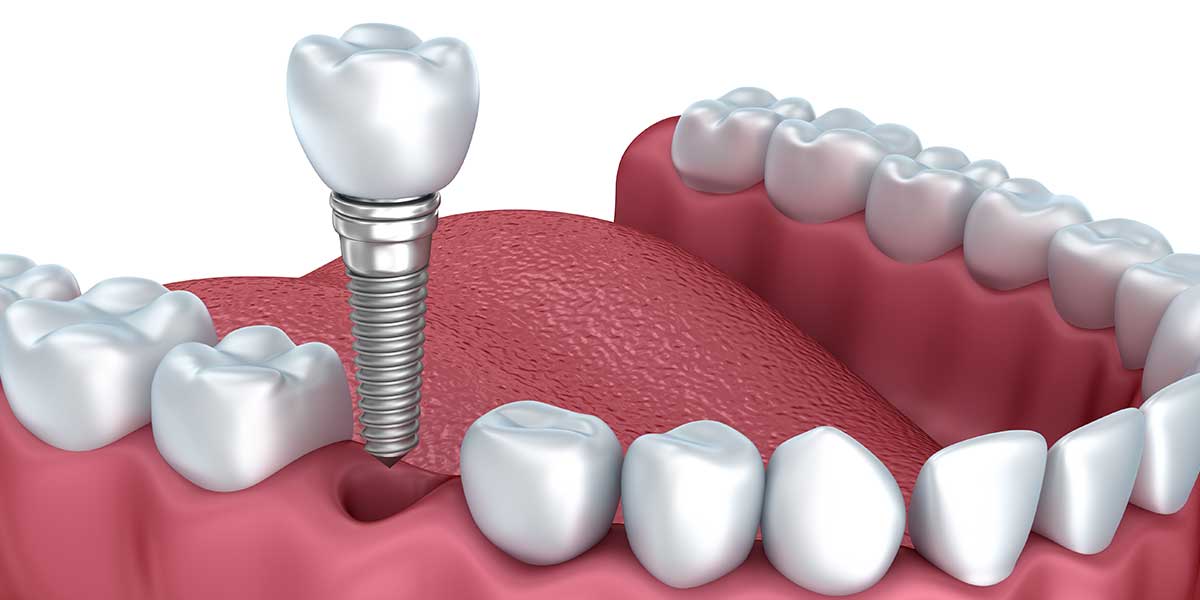
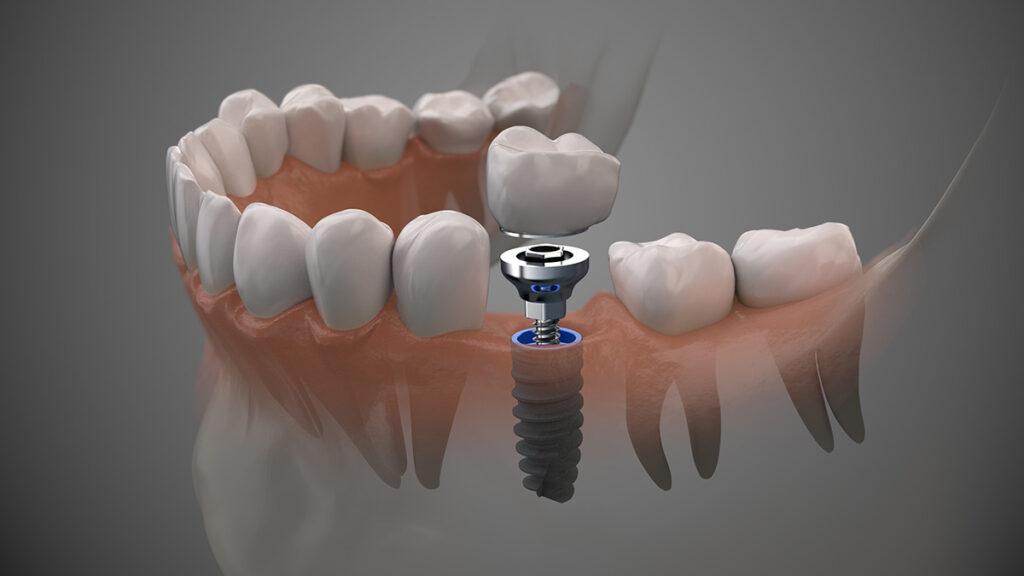
A dental implant is a small titanium post surgically placed into the jawbone where a tooth root once sat. Over several weeks, the post fuses with the surrounding bone through a biological process called osseointegration. Once that fusion is complete, a custom-crafted crown – matched to the shade and shape of your surrounding teeth – is attached on top.
The result is a replacement tooth that:
- Stimulates the jawbone, preventing the bone loss that follows extraction
- Bears bite pressure the way a natural tooth does
- Requires no adhesives, removal, or adjustment of adjacent teeth
- Can last 20 to 30 years or longer with proper care
This is why top rated dental implants near you consistently outperform other tooth-replacement methods in long-term patient satisfaction studies. The technology has matured significantly over the past two decades, and success rates for implants placed in healthy patients now exceed 95%.
Are You a Good Candidate for Implants?
Most adults in reasonable health qualify for dental implants, though a thorough evaluation by an implant dentist in Century City is the only way to know for certain. Several factors come into consideration:
- Bone density: Because the implant post anchors in the jawbone, sufficient bone volume is essential. Patients who have had a missing tooth for years may have experienced bone loss, but bone grafting – adding donor bone material to rebuild the area – can make implants possible even in those cases.
- Gum health: Active gum disease (periodontitis) must be treated before implant placement. Inflamed or infected gum tissue significantly raises the risk of implant failure.
- Overall medical health: Certain conditions – uncontrolled diabetes, autoimmune disorders, or heavy smoking – can slow healing and affect osseointegration. Disclosing your full medical history allows your dentist to plan accordingly or coordinate with your physician.
- Age: Implants are generally recommended only after jaw development is complete, which happens in the late teens or early twenties. There is no upper age limit, provided bone and gum health are adequate.
The Implant Process: A Step-by-Step Overview
Understanding the timeline helps set realistic expectations. Dental implant treatment is not a single-appointment procedure – it unfolds in stages.
Initial Consultation and Imaging
Your first visit with an dentist in Century City will include a comprehensive exam, digital X-rays, and often a 3D cone beam CT scan. This imaging maps the exact density and dimensions of your jawbone, allowing for precise implant placement planning.
Placement Surgery
The implant post is placed under local anesthesia (sedation options are also available for anxious patients). The procedure itself typically takes under an hour per implant. Most patients return to work within a day or two.
Osseointegration Period
The post needs time to fuse with the jawbone – usually three to six months. During this period, a temporary crown or appliance may be fitted so you’re not left with a visible gap.
Crown Placement
Once integration is confirmed, your dentist takes impressions and fits the permanent, custom crown. This is the final appointment, and the point at which your new tooth looks, feels, and functions as intended.
Ongoing Care
Implants don’t require any special maintenance beyond routine dental care. Brushing twice daily, flossing regularly, and attending scheduled dental check-ups help keep your implant and surrounding tissues healthy. Your dentist will monitor the implant during routine visits to ensure long-term stability and success.
Single Implants vs. Full-Arch Solutions
Not every patient needs just one tooth replaced. Century City patients dealing with multiple missing teeth or complete tooth loss have several implant-based options:
- Implant-Supported Bridge: If two or three adjacent teeth are missing, a bridge anchored by implants on either end replaces the gap without crowning healthy neighboring teeth – a significant advantage over traditional bridgework.
- All-on-4 or All-on-6: These full-arch restorations use four or six strategically positioned implants to support an entire arch of replacement teeth. They’re a life-changing option for patients who have lost most or all of their teeth and want a fixed, non-removable solution.
- Implant-Retained Dentures: For patients who currently wear removable dentures, implant-retained versions snap onto implant posts for dramatically improved stability – no more denture adhesive, no slipping while speaking or eating.
A tooth implant near you tailored to your specific situation – whether that’s replacing one tooth or an entire arch – will always be more effective than a generic approach.
What to Look for in an Implant Dentist in Century City
Not all dental practices offer implants, and among those that do, training levels vary considerably. When searching for top rated dental implants near you, look for:
- Specialized training: Implant placement is most commonly performed by oral surgeons, periodontists, or prosthodontists – though general dentists with advanced implant training can also be highly skilled. Ask about post-graduate education and how many implants they’ve placed.
- Digital imaging technology: Practices using 3D cone beam CT scanning and digital treatment planning tend to achieve better outcomes through precision.
- Before-and-after case galleries: Reviewing actual patient results gives you a realistic sense of what to expect.
- Transparent treatment plans: A reputable implant dentist in Century City will provide a written plan that outlines all stages, timelines, and costs before treatment begins.
- Patient reviews and testimonials: Consistent patterns in patient feedback – not just star ratings – reveal how a practice handles complications, communication, and aftercare.
FAQ: Dental Implants in Century City
How long do dental implants last?
With proper oral hygiene and regular dental check-ups, the implant post itself can last a lifetime. The crown attached to it typically lasts 15 to 25 years before it may need replacement due to normal wear.
Is the implant procedure painful?
Most patients report that the procedure is far less uncomfortable than they anticipated. Local anesthesia is used during surgery, and post-operative soreness – managed with over-the-counter pain relievers in most cases – typically subsides within a few days.
How much do dental implants cost in Century City?
Costs vary based on the number of implants, whether bone grafting is needed, and the type of restoration. A single implant typically ranges from $3,000 to $5,500 all-in. Many dental practices offer financing plans to make treatment accessible. Some PPO dental insurance plans now provide partial coverage for implants – worth verifying with your provider.
Can I get an implant years after losing a tooth?
Yes, though the longer a tooth has been missing, the greater the likelihood of bone loss in that area. A 3D scan will determine whether a bone graft is needed before implant placement. This adds time and cost but makes achievable for most patients.
What’s the difference between a periodontist and a prosthodontist for implants?
A periodontist specializes in gum tissue and bone – they are typically focused on the surgical placement of the implant. A prosthodontist specializes in tooth restoration – they design and place the crown. Some practices have both specialists working together; others have general dentists trained to perform both roles.
How do I care for my implant after it’s placed?
Treat it like a natural tooth: brush twice daily with a soft-bristle brush, floss around the implant carefully, and attend regular professional cleanings. Avoid smoking, which impairs healing and long-term health.
Conclusion
Dental implants represent one of the most meaningful advances in modern dentistry – not because of the technology itself, but because of the quality-of-life difference they make. Patients who were self-conscious about their smile, who avoided certain foods, or who felt their dentures were unreliable describe implants as genuinely transformative.
The process takes time and requires a solid working relationship with a knowledgeable dental team. But for patients who are good candidates, the payoff – a stable, natural-feeling tooth that preserves bone and doesn’t compromise neighboring teeth – is difficult to match with any other option.
If you’re considering implants and want to work with professionals who take a thorough, individualized approach, discover a reliable dental clinic in Century City at Century Smile Maker and schedule a consultation with their implant team.