

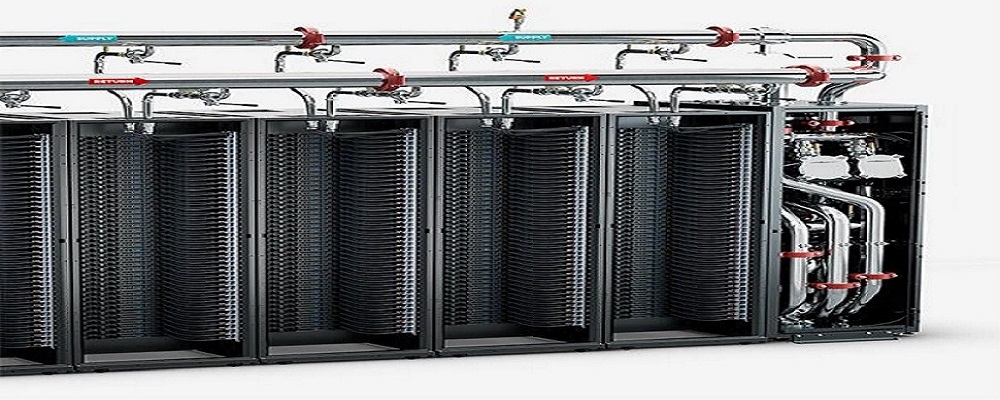
As digital infrastructure becomes more powerful and data-intensive, traditional cooling approaches are facing increasing limitations. Modern processors, artificial intelligence applications, cloud services, and high-performance computing environments generate significant heat that requires efficient thermal management. To address these challenges, organizations are increasingly adopting liquid cooling systems as a strategic solution. Unlike conventional air-based methods, it provides direct and efficient heat removal, helping organizations improve performance, reduce operational costs, and support future growth. This article explores seven key reasons why businesses are transitioning to advanced cooling technologies.
Table of Contents
- Understanding Modern Liquid Cooling Systems
- Enhanced Thermal Performance
- Improved Energy Efficiency
- Supporting Higher Computing Density
- Increased System Reliability
- Better Scalability for Future Growth
- Optimized Data Center Operations
- Reduced Long-Term Operational Costs
- The Growing Role of Cooling Systems for Data Centers
- Why Datacenter Liquid Cooling Continues to Gain Momentum?
- Conclusion
Understanding Modern Liquid Cooling Systems
Before examining the benefits, it is important to understand how cooling systems based on liquid technology operate. It works by transferring heat from critical components into a circulating coolant. The coolant absorbs thermal energy and transports it away from the equipment, where it can be safely dissipated. This process is significantly more efficient than relying solely on air movement.

Enhanced Thermal Performance
One of the primary reasons organizations are embracing liquid cooling is its superior heat management. As computing environments continue to evolve, liquid-based thermal management is becoming a foundational component of modern infrastructure design.
More Efficient Heat Transfer
With CoolIT Systems’ liquid cooling technology, liquids conduct heat far more effectively than air, enabling rapid removal of thermal energy from high-performance components. This ensures stable operating temperatures, even during intensive workloads.
Reduced Hotspots
Traditional airflow-based solutions can sometimes create uneven cooling conditions. It delivers targeted heat removal that helps minimize localized temperature spikes and supports consistent performance.
Improved Energy Efficiency
By implementing advanced cooling technologies and energy-efficient systems, organizations can reduce power consumption, lower operating costs, and support their environmental goals without compromising performance or reliability. In Canada, energy consumption remains a major consideration for organizations managing large-scale infrastructure.
Lower Cooling Energy Requirements
Because liquid cooling transfers heat more efficiently, facilities often require less energy to maintain desired operating temperatures. This can contribute to improved overall energy performance.
Supporting Sustainability Goals
Many organizations are seeking ways to reduce environmental impact while maintaining operational effectiveness. Advanced cooling systems help support these objectives through more efficient thermal management.
Supporting Higher Computing Density
Modern workloads demand greater processing power than ever before.
Accommodating Advanced Hardware
Artificial intelligence, machine learning, analytics platforms, and other compute-intensive applications require hardware capable of generating substantial heat. Cooling systems for data centers must therefore support increased thermal loads without compromising performance.
Maximizing Available Space
Liquid cooling enables organizations to deploy more computing resources within existing infrastructure by efficiently managing heat generation. This helps improve space utilization while supporting future growth.
Increased System Reliability
Reliable operation remains essential for business continuity and operational success.
Consistent Operating Conditions
Excessive heat can accelerate component wear and increase the likelihood of unexpected downtime. By maintaining stable temperatures, it helps improve industrial equipment.
Extended Hardware Lifespan
Lower thermal stress can contribute to longer equipment life, reducing replacement frequency and helping organizations maximize technology investments.
Better Scalability for Future Growth
Flexible Infrastructure Expansion
Technology requirements continue to evolve rapidly. As organizations expand computing capacity, cooling requirements increase accordingly. Datacenter cooling solutions provide a scalable foundation that can grow alongside infrastructure needs.
Supporting Emerging Technologies
Future workloads will likely generate even greater thermal demands. Organizations that implement cooling today position themselves to better support evolving technologies.
Optimized Data Center Operations
Efficient thermal management impacts more than just temperature control.
Improved Operational Stability
By reducing thermal fluctuations, organizations can achieve greater consistency across computing environments. This contributes to smoother operations and fewer temperature-related performance issues.
Enhanced Infrastructure Performance
A well-designed liquid cooling datacenter environment allows systems to operate closer to optimal performance levels without being constrained by thermal limitations.

Reduced Long-Term Operational Costs
Although cooling technology represents an infrastructure investment, many organizations focus on long-term value.
Lower Maintenance Requirements
Across Canada, efficient cooling can reduce thermal stress on equipment and minimize the frequency of heat-related maintenance concerns. By maintaining optimal operating temperatures, helping data centers and other high-performance environments operate more efficiently and cost-effectively.
Improved Resource Utilization
Optimized cooling performance often leads to more effective use of infrastructure resources, helping organizations improve operational efficiency over time.
The Growing Role of Cooling Systems for Data Centers
Modern digital environments depend on effective thermal management to support business objectives. As infrastructure grows increasingly complex, cooling systems for data centers are evolving from simple support functions into strategic assets that directly influence performance, reliability, and sustainability.
Organizations are no longer viewing cooling solely as a facility requirement. Instead, it is becoming an important component of long-term infrastructure planning and operational optimization.
Why Datacenter Liquid Cooling Continues to Gain Momentum?
The continued evolution of processor technologies and advanced workloads further reinforces the value of liquid-based cooling approaches. The growing adoption of datacenter liquid cooling reflects broader changes occurring across the technology landscape.
Higher computing densities, increased power demands, and sustainability initiatives are driving organizations toward more efficient thermal management solutions. As a result, they are becoming increasingly common in environments that prioritize performance and scalability.
Conclusion
The transition toward liquid cooling systems is being driven by a combination of performance, efficiency, reliability, and scalability advantages. As organizations face growing computational demands, advanced cooling technologies offer an effective means of managing heat while supporting long-term infrastructure goals. For organizations seeking innovative thermal management expertise, CoolIT Systems delivers advanced cooling technologies that meet demanding infrastructure requirements. Use our MAP to connect with specialists and explore cooling solutions tailored to your operational objectives.
Call CoolIT Systems today and discover how advanced liquid cooling solutions can elevate your infrastructure’s efficiency, performance, and reliability.

FAQs
Why are organizations increasingly adopting liquid cooling systems?
Organizations are adopting cooling systems because they provide more efficient heat removal, improve energy performance, support higher computing densities, and help maintain reliable infrastructure operation in demanding environments.
How do liquid cooling systems improve energy efficiency?
Cooling systems transfer heat more effectively than air-based methods, reducing the amount of energy required for thermal management. This can contribute to improved overall facility efficiency and sustainability efforts.
Are liquid cooling systems suitable for modern data centers?
Yes. Modern data centers often support high-performance workloads that generate substantial heat. It provides the thermal management capabilities needed to maintain stable operating conditions and support infrastructure growth.
What advantages does datacenter liquid cooling provide?
Demand for liquid cooling in data centers for AI, cloud computing, and data processing continues to grow; cooling solutions help Canadian organizations maintain optimal performance, improve energy efficiency, and support long-term infrastructure growth.
Can liquid cooling support future computing requirements?
Liquid cooling is well-suited for emerging technologies and increasing computational demands. Its ability to efficiently manage higher thermal loads makes it a valuable long-term solution for organizations planning future infrastructure expansion.