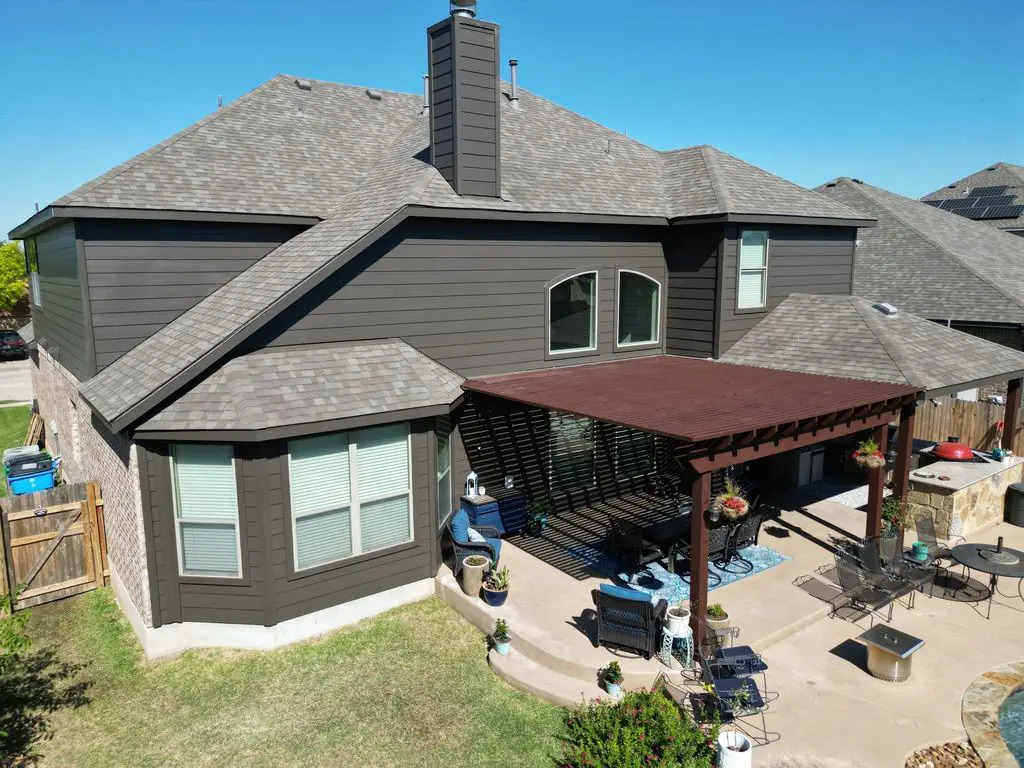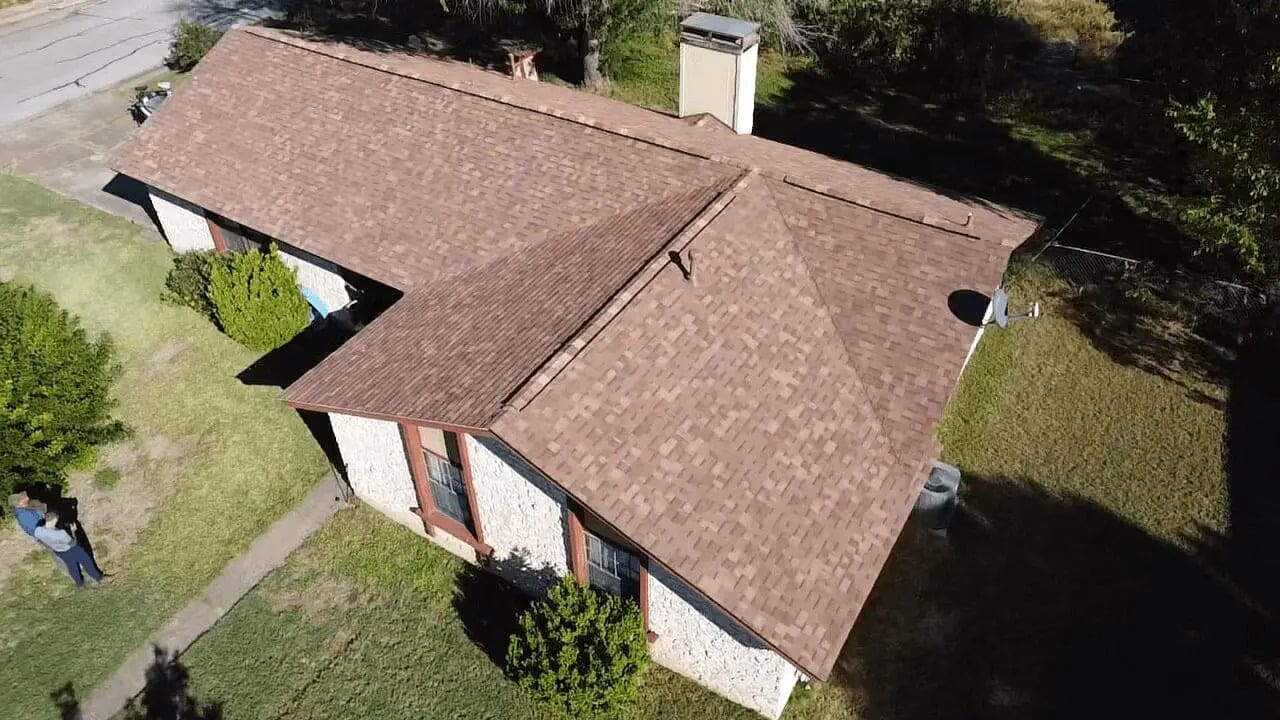


Removing a tree is not simply a matter of cutting through the trunk and hauling away the debris. Large, declining, or damaged trees can create serious risks for people, roofs, vehicles, utility lines, landscaping, and nearby structures. For homeowners considering tree removal in Austin, TX, understanding the safety requirements, local regulations, and professional best practices is an important first step.
In Austin, tree work can also involve local regulations and permit requirements, particularly when protected or heritage trees are involved. A responsible approach begins with evaluating the tree’s condition, understanding potential risks, determining whether removal is the safest option, checking applicable requirements, and planning the work carefully.
Emerald Tree Care and Garden provides stump grinding, tree removal, hazard assessment, planting, and other tree care services. The company emphasizes safe climbing and cutting practices, property protection, organized job sites, clear communication, and dependable workmanship. Its tree services include removal, hazard assessment, stump grinding, trimming, planting, and specialty tree health services.
Table of Contents
- When Should a Tree Be Removed?
- Tree Removal in Austin, TX: Understanding Permits and Regulations
- What About Dead, Diseased, or Hazardous Trees?
- Safety Practices for Tree Removal in Austin, TX
- How to Decide Whether Professional Tree Removal Is Necessary
- Best Practices for Choosing a Tree Service
- What Should Be Included in a Tree Removal Estimate?
- Why Stump Removal Matters After Tree Removal
- What to Do After a Tree Is Removed
- Austin-Specific Considerations Homeowners Should Remember
- Frequently Asked Questions
- Final Thoughts
When Should a Tree Be Removed?
Tree removal should generally be considered when a tree presents a significant safety concern, has deteriorated beyond practical recovery, or interferes with a property in a way that cannot reasonably be addressed through pruning or other maintenance.
However, removal should not automatically be the first option. A professional assessment can help determine whether a tree can be preserved through pruning, structural support, disease management, or other appropriate care.
Common Warning Signs
Homeowners should pay attention to conditions such as:
- Large dead or broken branches
- Significant trunk decay or cavities
- Cracks or splits in major limbs
- Severe leaning that has developed or worsened
- Exposed or substantially damaged roots
- Extensive storm damage
- Signs of structural instability
- Serious disease or decline
- Branches interfering with roofs, structures, or other property features
- A tree that has become hazardous because of its location
Some warning signs may be difficult for an untrained homeowner to evaluate. For example, visible decay does not always indicate that a tree must be removed, while apparently healthy trees can have hidden structural problems.
That is why a hazard assessment should consider the tree’s condition, location, surrounding targets, and likelihood of failure rather than relying on appearance alone.
Tree Removal in Austin, TX: Understanding Permits and Regulations
Austin has specific regulations governing certain trees on private property. Before arranging tree removal in Austin, TX, homeowners should determine whether the tree is regulated and whether a Tree Ordinance Review Application or another approval is required.
For residential properties, Austin identifies certain trees based on species and trunk diameter as protected or heritage trees. Requirements can vary depending on the tree, property type, and circumstances. Commercial and multifamily properties may have different thresholds and requirements.
This means homeowners should not assume that a tree can be removed simply because it is located on private property.
What About Dead, Diseased, or Hazardous Trees?
A common misconception is that a dead or dangerous tree can always be removed without approval. Austin regulates certain dead, diseased, and imminent-hazard trees, so property owners should confirm the applicable requirements before taking action.
The city also provides an emergency permitting process for certain circumstances. When possible, homeowners should photograph and document a hazardous tree before removal and follow the applicable emergency procedures.
If a tree has fallen onto a structure, blocked access, or created an immediate danger, keep people away from the affected area. Do not attempt to cut or move damaged sections yourself, particularly when electrical lines, unstable branches, or structural damage are present. For homeowners searching for emergency tree removal in Austin, TX, the priority should be protecting people and property, securing the affected area, and contacting qualified professionals while confirming the applicable city requirements.
Safety Practices for Tree Removal in Austin, TX
Tree work combines height, heavy equipment, cutting tools, falling material, and unpredictable tree movement. Professional crews should therefore approach each project systematically rather than treating removal as a routine cutting job.
1. Evaluate the Entire Work Area
Before cutting begins, the crew should identify:
- Buildings and other structures
- Vehicles and outdoor equipment
- Fences and landscaping
- Utility lines and service connections
- Pedestrian areas
- Driveways and access routes
- Nearby trees
- Potential fall zones
- Uneven or unstable ground
The objective is to understand what could be affected if a limb or trunk section moves unexpectedly.
2. Establish a Controlled Work Zone
Organize the work area so unnecessary people stay outside the danger zone. Position equipment, ropes, cutting tools, and debris to support controlled operations. Clear communication among workers is particularly important when multiple people are involved.
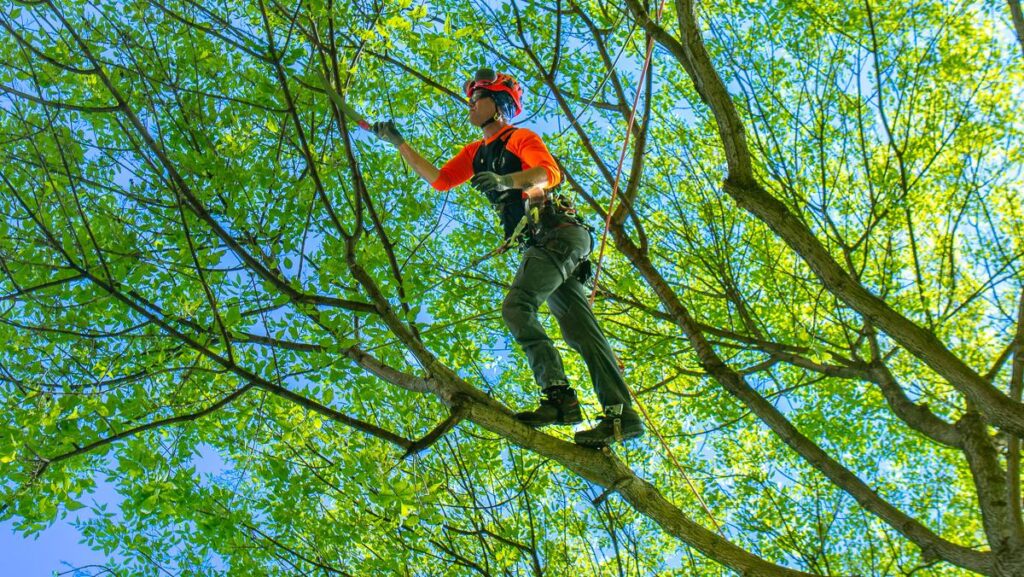
3. Use Appropriate Cutting and Climbing Techniques
Tree removal requires an understanding of branch weight, tension, compression, tree structure, and potential movement. A professional crew should use equipment and techniques appropriate for the tree’s size, condition, and location. Emerald Tree Care & Garden emphasizes safe climbing and cutting practices, precision work, and property protection as part of its approach to tree care.
4. Consider Utility Hazards
Trees growing near power lines require additional caution. Homeowners should never assume that a line is safe to work around simply because it appears insulated or inactive.
When electrical infrastructure is involved, you may need specialized safety procedures. Maintain a safe distance and get professional help rather than trying to manage the situation with household tools.
How to Decide Whether Professional Tree Removal Is Necessary
Choosing between pruning, treatment, preservation, and removal requires more than looking at the tree’s size or appearance. Consider structural stability, health, location, potential targets, and the consequences of failure. When evaluating tree removal options near you, proximity should not be the only consideration.
A qualified provider should evaluate:
- Overall tree health
- Structural defects
- Deadwood and damaged limbs
- Root condition
- Tree lean
- Nearby structures
- Utility infrastructure
- Access for equipment
- Potential fall zones
- Whether pruning could address the concern
A responsible professional should explain why removal is recommended rather than automatically recommending removal for every problem.
Best Practices for Choosing a Tree Service
A search for tree removal near you can produce many local providers, but homeowners should evaluate companies based on safety, experience, communication, scope of work, and professionalism.
Look for a company that:
- Provides a clear assessment before work begins
- Explains whether removal is actually necessary
- Discusses property and utility hazards
- Uses appropriate equipment
- Protects surrounding structures and landscaping
- Communicates the work plan clearly
- Includes cleanup and debris handling in the project discussion
- Understands applicable local requirements
- Provides a written estimate when appropriate
- Does not pressure homeowners into unnecessary work
The lowest estimate is not necessarily the best choice. Homeowners should compare the full scope of service, safety approach, cleanup, equipment, and experience before deciding.
What Should Be Included in a Tree Removal Estimate?
A detailed estimate can prevent misunderstandings. Depending on the project, it may address:
- Tree size and condition
- Removal method
- Labor and equipment
- Limb and trunk removal
- Stump grinding, if requested
- Brush and debris cleanup
- Hauling or disposal
- Site protection
- Potential access limitations
- Additional work caused by unusual hazards
Not every project requires the same equipment or method. A small tree in an open yard can be very different from a mature tree positioned between a home, driveway, fence, and utility infrastructure. Homeowners should compare estimates based on the full scope of work rather than choosing a provider solely for the lowest initial price.
Why Stump Removal Matters After Tree Removal
Removing the visible tree does not necessarily eliminate every problem associated with the old tree. The remaining stump can interfere with mowing, landscaping, construction, or future planting.
Stumps can also become obstacles around the property and make it harder to redesign the landscape.
Stump grinding is one option for dealing with the remaining portion of the tree. Emerald Tree Care & Garden lists stump grinding among its tree services, alongside hazard assessment, planting, and specialty tree health services.
The appropriate solution depends on the homeowner’s plans for the site. If you plan a new tree, garden bed, walkway, or other landscape feature, consider the stump and surrounding root area during project planning.
What to Do After a Tree Is Removed
A good removal project should not end when the tree is on the ground.
The property should be checked for:
- Remaining branches
- Wood debris
- Damaged landscape areas
- Exposed roots
- Changes to drainage or access
- Damage to nearby structures
If the tree was removed because of disease or declining health, homeowners should also consider whether other trees on the property require inspection.
Replacing a removed tree may also be appropriate when site conditions allow. Selecting the right species and planting location can reduce future conflicts with structures, utilities, pavement, and other landscape features.
Austin-Specific Considerations Homeowners Should Remember
Austin’s tree regulations make planning especially important. Protected and heritage trees may have specific requirements, and tree work tied to construction or development may require additional considerations.
For commercial and multifamily properties, regulatory requirements can differ from those for residential properties. This makes it especially important to verify the current requirements for the specific property and tree before work begins.
The safest strategy is straightforward: identify the tree, understand its condition, check the current rules, plan the work area, and use qualified professionals when the project presents significant hazards.
Frequently Asked Questions
When should a homeowner remove a tree?
A homeowner should consider tree removal when a tree becomes unsafe, structurally unstable, severely damaged, or creates a significant risk to people or property.
Can I remove a dead or dangerous tree without a permit?
Not necessarily. Certain dead, diseased, or imminent-hazard trees may still be subject to local regulations. Emergency circumstances may have specific procedures and documentation requirements. Property owners should document the situation when possible and follow the current city process rather than assuming that a hazard automatically eliminates permitting requirements.
How do I know whether a tree should be removed or trimmed?
The answer depends on the tree’s structural condition, health, location, and risk. Some trees with dead limbs or excessive growth may benefit from professional pruning, while severe structural defects, extensive decay, or significant storm damage may justify removal. A qualified assessment can help distinguish between maintenance and removal.
Is it safe to remove a large tree myself?
Large-tree removal can be extremely hazardous because of falling limbs, trunk movement, equipment requirements, overhead utilities, and unpredictable forces within branches. DIY removal is particularly risky when the tree is near a building, road, power line, or other target. Professional evaluation and removal are generally safer for complex trees.
What should I look for when hiring a tree company?
Look for a provider that prioritizes safety, communicates clearly, evaluates the tree before recommending removal, understands local requirements, protects surrounding property, and provides a detailed scope of work. Ask about cleanup, stump services, access limitations, and potential additional costs before the project begins.
6. What should I do if a storm damages a tree?
Keep people away from the affected area and avoid standing beneath damaged branches. If electrical lines are involved, stay far away and contact the appropriate utility or emergency service. Photograph the damage from a safe location when possible, then consult a qualified tree professional and verify Austin’s emergency tree procedures.
Final Thoughts
Responsible tree care starts with recognizing that removal is both a safety decision and a property-management decision. A mature tree can have substantial structural weight and may affect roofs, utilities, landscaping, vehicles, and people if it fails unexpectedly. For homeowners considering tree removal in Austin, TX, the right approach is to evaluate the tree first, understand applicable regulations, and plan the work area carefully to ensure safety and minimize property damage.
Choosing a qualified professional is essential when dealing with potentially hazardous trees. Emerald Tree Care & Garden provides tree removal, hazard assessment, stump grinding, tree trimming, planting, and other outdoor services for homeowners throughout Austin and surrounding areas. The company emphasizes safe professional practices, organized work sites, clear communication, and property protection. If you have a declining, damaged, or overgrown tree, contact a local expert for an assessment before attempting removal yourself.
If you have a declining, damaged, or hazardous tree, Emerald Tree Care and Garden can help you evaluate the safest next step. Homeowners in Austin can contact the team for a professional tree assessment and learn more about available tree removal and care solutions.